Expert Degumming Solutions in Oil Refining – Muez Hest
Transform your edible oil refining process with our degumming expertise at Muez Hest, where innovation meets reliability. As a leading provider of degumming in oil refining, we offer global businesses tailored plant manufacturing, turnkey setups, and full commissioning services. Partner with us to achieve high-quality, stable oils with optimal efficiency.
What Is Degumming in Oil Refining?
Degumming is the vital first step in oil refining, removing phospholipids (gums) and other impurities from crude vegetable oil to improve clarity, stability, and taste. Without proper degumming, impurities can lead to sludge formation, oxidation, and inefficiencies in downstream processes.
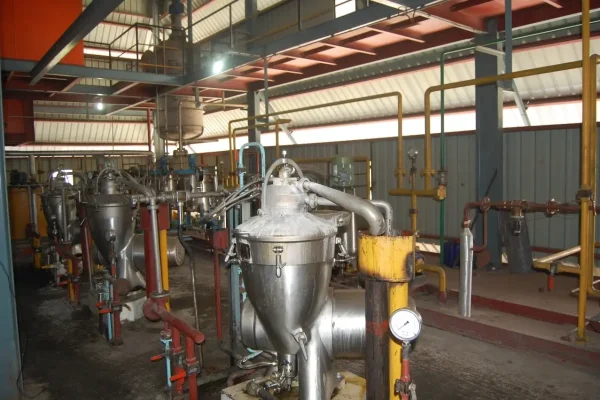
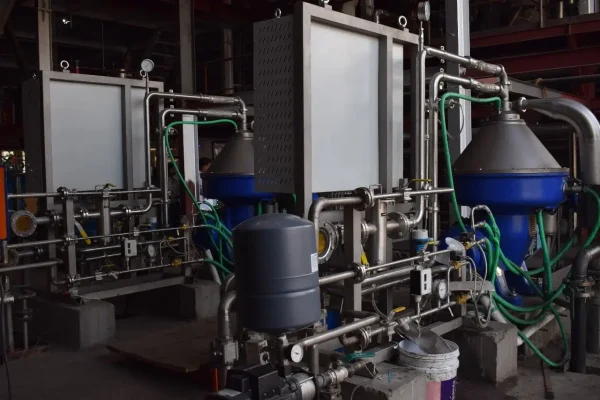
At Muez Hest, we offer precision-engineered degumming solutions for water degumming, acid degumming, and enzymatic degumming letting you choose the best fit for your oil type and end-product requirements.
Types of Degumming Solutions We Provide
A gentle, eco‑friendly method that hydrates gums using water, making them easy to separate via centrifugation. Ideal for soybean, sunflower, and canola oils. Gums can be repurposed for lecithin production, adding value.
Utilizes food-grade acids like phosphoric or citric acid to precipitate non‑hydratable gums. This method enhances oil clarity and stability, though further neutralization or bleaching is often required.
An advanced, selective method using phospholipase enzymes to break down gums into water-soluble fragments, resulting in minimal oil loss and superior nutritional retention.
Why Choose Muez Hest for Your Degumming Plant Setup
1. Global Expertise, Local Presence
We bring global-level degumming solutions to India and beyond—offering manufacturing, engineering, commissioning, and post-installation training.
2. Custom Engineered Systems
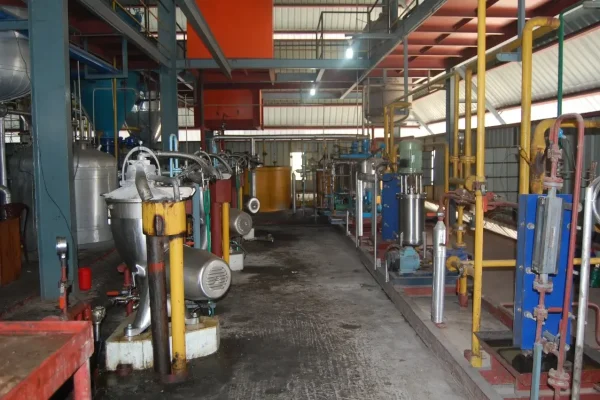
From batch to continuous processing, our solutions are tailored to your operational needs. Choose from water, acid, enzymatic, or hybrid degumming systems designed for high efficiency and ease of integration.
3. Efficient & Sustainable
Our designs minimize oil loss, reduce chemical consumption, and include energy-saving features like heat recovery.
4. Smooth Commissioning & Support
We don’t just deliver equipment we ensure a smooth startup. Our team oversees installation, testing, and operator training, ensuring optimal performance from Day One.
Key Benefits of Professional Degumming
- Enhanced Oil Quality: Improved clarity and taste, with reduced oxidation and longer shelf life.
- Streamlined Refining: Cleaner degummed oil enables more efficient downstream processing, reducing energy and operating costs.
- Compliant & Market-Ready Products: Your refined oils will meet premium quality standards for food, cosmetics, or biofuels.
Partnering Globally for Superior Oil Refining
Muez Hest stands out among global degumming plant manufacturers for our full-service approach from concept to commissioning. Whether you're in India or anywhere worldwide, trust us to build and activate degumming plant solutions that elevate your product and process.
Ready to Enhance Your Refining?
Elevate your oil quality, cut costs, and lead the market with Muez Hest’s professional degumming in oil refining services. Contact us today for a tailored quote and discover why businesses worldwide choose us to install their degumming plants.